

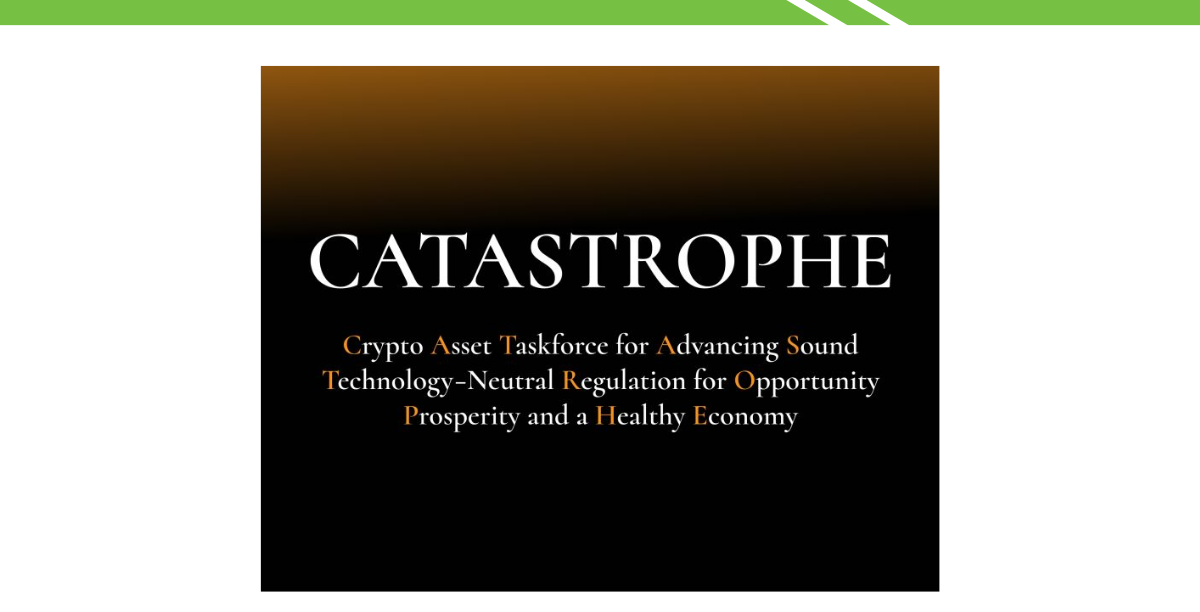
The debate around South Africa crypto regulation is gaining momentum as a coalition of industry participants calls for changes to proposed rules governing crypto assets and cross-border capital flows. The coalition, operating under the banner CATASTROPHE (Crypto Asset Taskforce for Advancing Sound, Technology-Neutral Regulation for Opportunity, Prosperity and a Healthy Economy), argues that regulation should focus on the activity and associated risks rather than the technology used to carry out transactions.
According to the coalition, South Africa has an opportunity to strengthen its position in financial innovation while maintaining transparency, tax compliance, anti-money laundering controls, and broader financial integrity measures.
Key Concerns Around South Africa Crypto Regulation
The coalition has identified two aspects of the current draft framework that it believes require reconsideration. The first relates to cross-border transactions. Under the proposed rules, South African businesses would be able to hold and trade crypto assets domestically but would not be able to use crypto assets for transactions deemed to be imports or exports of capital. The coalition argues that if a transaction is lawful through traditional financial channels, the same activity should not become unlawful simply because crypto technology is used.
The second concern involves self-custody wallets. The draft proposals would allow individuals, subject to reporting and applicable limits, to transfer crypto assets from an authorised South African provider into a self-custody wallet. However, moving those assets back from self-custody to an authorised provider would be treated as non-permissible. The coalition contends that a more balanced approach would allow transfers in both directions while maintaining verification, reporting, anti-money laundering, and other regulatory safeguards.
These issues, according to the coalition, extend beyond crypto assets and raise broader questions about innovation, competitiveness, and the future regulatory environment for emerging financial technologies in South Africa.
Economic Stakes and the Proposed Path Forward
The coalition highlights the scale of South Africa’s crypto ecosystem. It points to hundreds of licensed Crypto Asset Service Providers, thousands of direct industry jobs, millions of South Africans who own crypto assets, and billions of rand in tax contributions through corporate income tax, PAYE, VAT, and other taxes.
CATASTROPHE argues that South Africa has already made significant progress in bringing crypto-related activity into the regulated financial system. Its position is that future regulations should encourage regulated activity to remain onshore rather than create incentives for businesses, talent, and capital to move elsewhere.
The coalition advocates a technology-neutral framework where equivalent economic activities receive equivalent regulatory treatment. It supports maintaining reporting requirements, tax obligations, anti-money laundering controls, sanctions compliance, and other regulatory measures, while allowing legitimate cross-border crypto transactions and responsible movement of assets to and from self-custody wallets.
Have Your Say on South Africa’s Crypto Regulation
The public comment period remains open until 30 September 2026, giving businesses, investors, entrepreneurs, and consumers an opportunity to participate in the discussion. The coalition is encouraging stakeholders to:
- Learn how the draft regulations could affect businesses and individuals.
- Sign in support of technology-neutral, risk-based regulation.
- Add company logos to demonstrate industry support.
- Share the initiative with colleagues and professional networks before the consultation period closes.
Supporters can endorse the coalition’s position and join a growing group of organisations and individuals advocating for regulation that focuses on activity and risk rather than the technology used.