
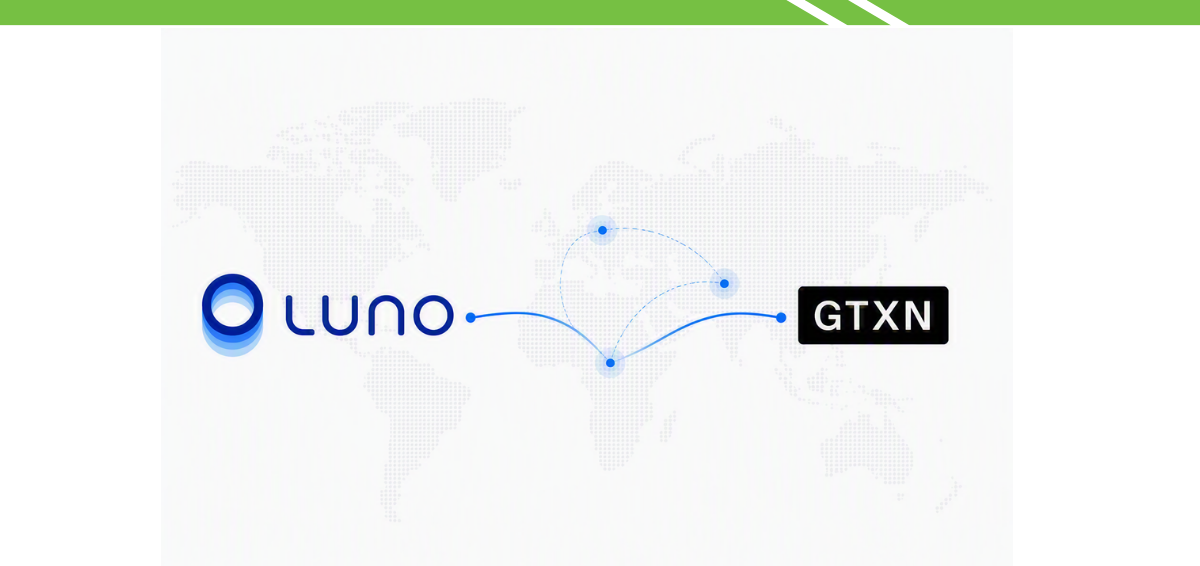
Luno acquires GTXN in a move aimed at expanding its cross-border payments capabilities across its core markets. The acquisition brings GTXN’s licensed collection and payout infrastructure into Luno’s existing regulatory and liquidity footprint, creating a more integrated route for businesses moving money between developed and emerging markets. According to the companies, GTXN will operate as Luno’s dedicated cross-border payments capability, helping enterprise clients access faster and more cost-efficient payment flows.
The transaction combines Luno’s established market presence and liquidity with GTXN’s payments infrastructure, addressing longstanding challenges associated with international money movement.
How Luno Acquires GTXN to Simplify Cross-Border Payments
Cross-border payments have traditionally depended on correspondent banking networks, where funds move through multiple intermediary banks before reaching their destination. Each intermediary can add settlement delays, foreign exchange conversions, compliance checks, and additional fees. In emerging markets, the process can become even more complex when banks lack direct relationships with institutions in destination countries, often requiring two or three intermediary banks to complete a transaction.
Luno says the acquisition changes this model by bringing GTXN’s licensed collection and payout infrastructure under its umbrella. Rather than relying on several providers and banking relationships, businesses can collect and pay out through a single provider using rails owned by Luno and settled against Luno’s own liquidity. The company states that this structure can reduce transaction costs while improving settlement speed on payment corridors that have historically been difficult and expensive to serve.
The result is a more streamlined payment experience for enterprises operating between developed and emerging economies. GTXN will serve as the group’s cross-border payments capability across its markets, supporting clients that require efficient international settlement and treasury operations.
Building on Existing Regulatory and Market Infrastructure
Luno highlighted that it has spent more than a decade building its presence across its key markets. During that period, the company secured regulatory approvals across multiple regions, established liquidity capabilities, and developed relationships with banks and enterprise customers. According to Luno, this foundation enables licensed cross-border settlement at scale in markets that many providers find challenging to reach.
GTXN will be led by Chief Executive Officer Dan Kleinbaum. Kleinbaum has more than a decade of experience building payments infrastructure in emerging markets. He previously co-founded Beyonic, a mobile money platform operating across seven African markets, which was acquired by Onafriq in 2020. He later built a foreign exchange and cross-border treasury business serving corporates and institutions in East Africa.
By combining GTXN’s licensed infrastructure with Luno’s existing liquidity and regulatory footprint, the acquisition positions the group to offer a unified approach to international payments. The companies describe the transaction as a step toward providing enterprise customers with a single, integrated route for moving money across borders while reducing complexity, delays, and costs associated with traditional payment networks.