

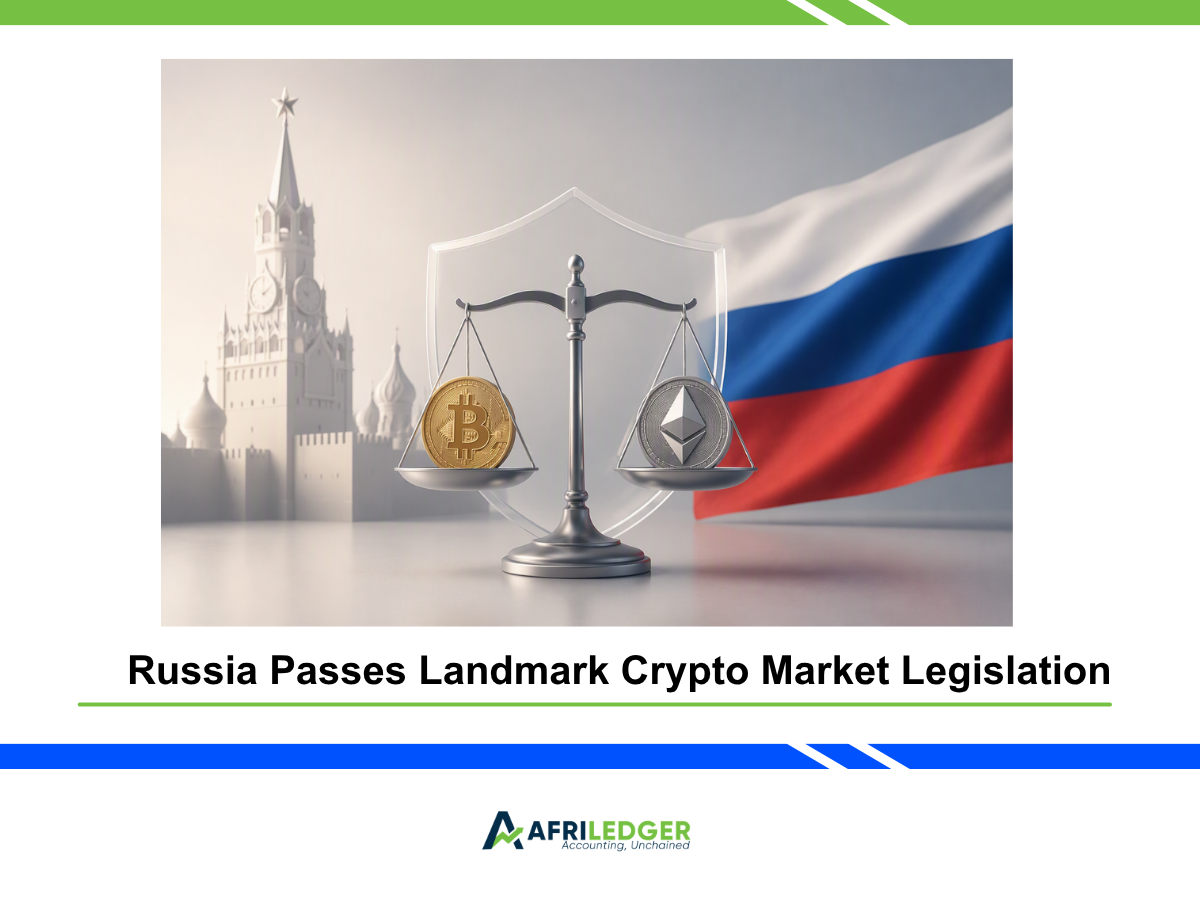
Russia has taken one of its most significant steps toward cryptocurrency regulation by approving a comprehensive law governing the country’s digital asset market. Passed by the State Duma on July 21, 2026, the legislation establishes a formal legal framework for cryptocurrencies and the businesses that operate around them, signaling a major shift in Moscow’s approach to digital finance.
For years, Russia maintained an uneasy relationship with cryptocurrencies. While citizens could own and trade digital assets, the market operated in a gray area characterized by limited regulatory clarity and fragmented oversight. The new law, officially titled “On Digital Currency and Digital Rights,” seeks to bring order to that environment by defining how cryptocurrencies can be bought, sold, stored, and managed within a state-supervised framework.
At the heart of the legislation is the recognition of cryptocurrencies as a form of property under Russian law. This provides legal protection for crypto owners and allows courts to more effectively resolve disputes involving digital assets. The move gives cryptocurrencies a formal legal identity without elevating them to the status of legal tender, a distinction that reflects Russia’s cautious but increasingly pragmatic stance toward the sector.
The law creates a licensing regime for market participants, including cryptocurrency exchanges, brokers, depositories, custodians, and asset managers. Oversight of this ecosystem will fall largely to the Bank of Russia, which will maintain registries of approved operators and establish the rules governing their activities. By bringing crypto businesses under regulatory control, authorities hope to increase transparency, curb illicit activity, and integrate a substantial portion of the country’s digital asset economy into the formal financial system.
Perhaps the most strategically important feature of the legislation is its support for cryptocurrency use in cross-border trade. Under the new framework, approved entities will be permitted to use digital assets in international commercial transactions. This provision arrives at a time when Russia has been exploring alternative payment mechanisms and settlement channels for global trade. By providing a regulated avenue for crypto-based cross-border settlements, the government appears intent on leveraging blockchain technology to facilitate international commerce while maintaining oversight of the process.
Despite this openness toward international use cases, the law stops well short of embracing cryptocurrencies for everyday domestic payments. The Russian ruble remains the country’s sole legal currency, and the use of Bitcoin or other digital assets to pay for goods and services within Russia remains prohibited. In effect, cryptocurrencies will function primarily as investment instruments and settlement tools rather than as substitutes for traditional money.
The legislation also reflects regulators’ concerns about investor protection. Retail investors who do not qualify as professional market participants will reportedly face limits on how much cryptocurrency they can purchase annually through licensed intermediaries. The framework introduces a distinction between qualified and non-qualified investors, granting greater flexibility to experienced market participants while imposing safeguards on retail users. Policymakers argue that these measures will help reduce speculative excess and protect citizens from excessive risk in the highly volatile crypto market.
Industry observers view the move as a milestone not only for Russia but also for the global cryptocurrency sector. Rather than banning digital assets outright, Russia has chosen to regulate and institutionalize them. This places the country alongside a growing number of jurisdictions that are seeking to balance innovation with regulatory oversight. The framework could encourage the development of domestic crypto infrastructure, attract institutional participation, and provide greater confidence for investors and businesses operating in the market.
At the same time, the legislation underscores the government’s desire to retain substantial control over the sector. Market access will be mediated through licensed entities, and the central bank will play a dominant role in determining how the ecosystem evolves. The result is a model that embraces cryptocurrency technology while ensuring that digital asset activity remains visible to regulators and aligned with broader national economic objectives.
As the bill moves toward final approval and implementation, its impact will be closely watched by governments, investors, and blockchain companies worldwide. If successfully enacted, the law could transform Russia into one of the largest regulated crypto markets in the world, demonstrating how states can integrate digital assets into their financial systems without surrendering regulatory authority. More broadly, it highlights the continuing maturation of the cryptocurrency industry, as governments increasingly shift from debating whether digital assets should exist to determining how they should be governed.